The Dark History of Randy Travis: From Troublemaker to Hit Maker
Long before Randy Travis became one of country music’s most respected voices, his life looked very different.
Today, Travis is remembered as a defining figure of the neotraditional country movement, a Grammy-winning artist and a member of the Country Music Hall of Fame. But his road to Nashville was anything but smooth. His early years were marked by rebellion, alcohol, drugs, fights, arrests, and repeated encounters with the law. (Biography)
A Troubled Young Man
Born Randy Bruce Traywick in Marshville, North Carolina, in 1959, Randy grew up in a family that loved country music. He learned guitar as a child and began performing locally with his brother.
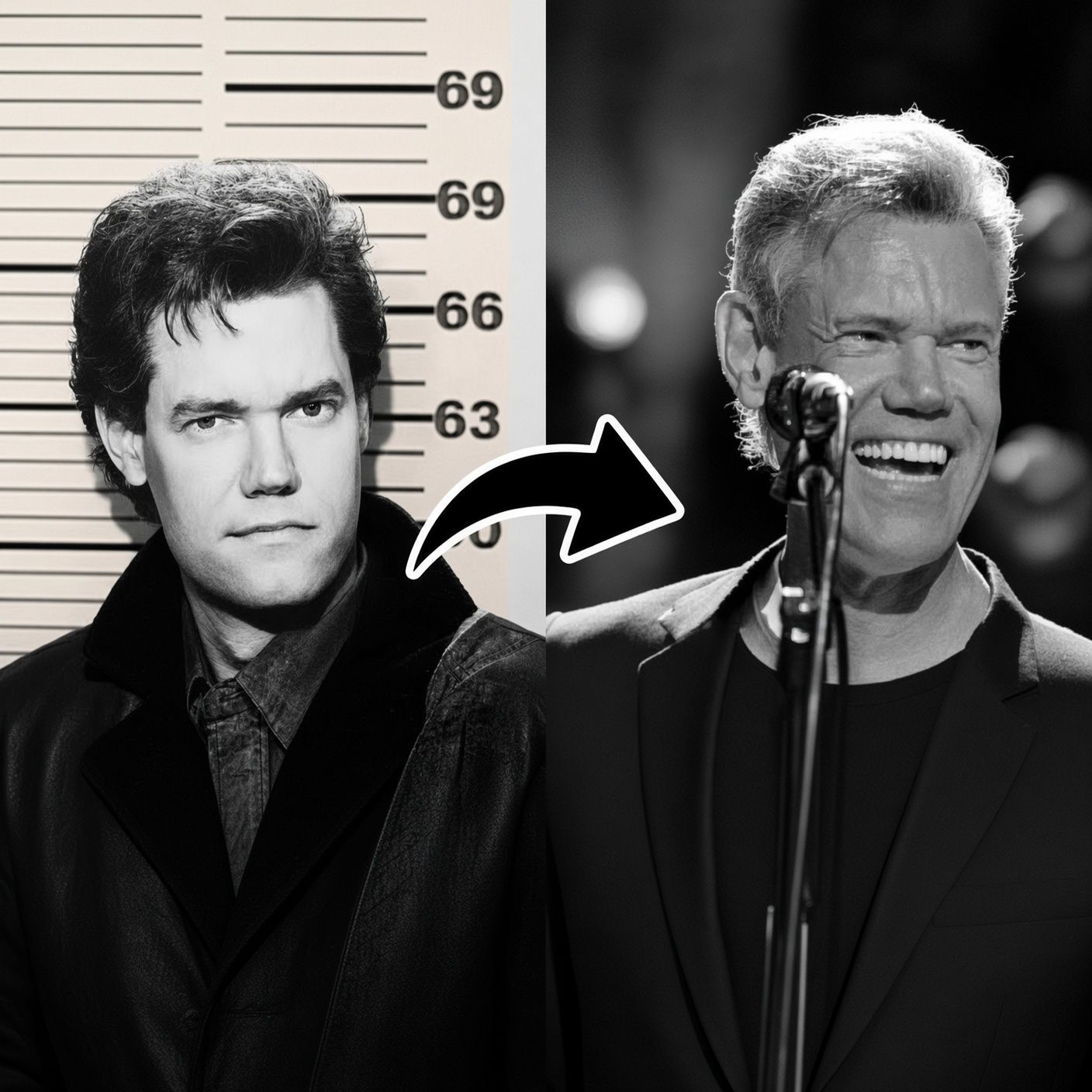
But during his teenage years, music wasn’t enough to keep him on the right path.
Randy dropped out of school in the ninth grade and went through what he later described as a particularly wild period. He ran away from home, drank, experimented with drugs and repeatedly got into trouble with police. His offenses included fighting, assault, breaking and entering and driving under the influence. (The Washington Post)
His official biography doesn’t hide this chapter. In fact, Travis himself has acknowledged that he was drinking, stealing and “raising hell” as a teenager. (Randy Travis | Official Website)
At one point, his behavior became serious enough that prison was a real possibility.
Then music changed everything.
The Woman Who Saw Something Others Didn’t
One of the most important people in Travis’ life during this period was Elizabeth “Lib” Hatcher, who managed a nightclub in Charlotte where he performed.
Hatcher recognized that beneath the troubled teenager was a singer with an extraordinary voice.
After Travis won a talent competition, Hatcher gave him an opportunity to perform regularly at her club. She eventually became his manager and played a crucial role in helping him escape the destructive cycle he had fallen into. (AllMusic)
Instead of ending up in prison, Travis began taking music seriously.
He worked at the club, performing while also cooking and doing whatever jobs were necessary to survive.
It wasn’t glamorous.
But it was the beginning.
Nashville Didn’t Want Him
In 1981, Travis and Hatcher moved to Nashville.
And success didn’t arrive overnight.
For years, Travis struggled to get a record deal. According to his official biography, Nashville labels repeatedly rejected him because executives considered his sound “too country.” (Randy Travis | Official Website)
That rejection could have destroyed his confidence.
Instead, it became part of the story.
Travis continued performing at the Nashville Palace while working as a cook. Eventually, a Warner talent scout heard him perform and signed him in 1985. (Randy Travis | Official Website)
The following year, everything changed.
Storms of Life Made Him a Star
Randy Travis’ 1986 debut album, Storms of Life, became a turning point not only for his career but for country music itself.
The Country Music Hall of Fame describes Travis as a leading figure in the traditional-country revival of the mid-1980s. His success helped push country music away from some of the pop-oriented sounds that had become prominent and back toward traditional instrumentation and storytelling. (Country Music Hall of Fame and Museum)
The songs came one after another:
“On the Other Hand.”
“1982.”
“Diggin’ Up Bones.”
Then came “Forever and Ever, Amen.”
Suddenly, the troubled teenager from North Carolina had become one of country music’s biggest stars.
His career eventually produced 23 No. 1 singles, more than 25 million sales and seven Grammy Awards, according to his official biography. (Randy Travis | Official Website)
But the Past Didn’t Completely Disappear
Success doesn’t automatically erase old problems.
In 2012, Travis was arrested in Texas after a DWI incident following a vehicle crash. He also faced additional charges related to the encounter with police. (Biography)
It became one of the most embarrassing public moments of his later career.
But it wasn’t the final chapter.
Travis subsequently faced an even greater challenge.
In 2013, he suffered a devastating stroke that nearly took his life and severely affected his ability to walk, speak and sing. His recovery has been extraordinarily difficult, but he has continued to find ways to remain connected with music and his fans. (Biography)
From Troublemaker to Legend
Perhaps that’s what makes Randy Travis’ story so compelling.
His legacy isn’t simply that he became famous.
It’s that he changed direction.
The teenager who once repeatedly found himself in trouble became an artist who helped redefine country music.
The young man who struggled with alcohol and drugs eventually became an inspiration to people who believe that a person’s worst years don’t necessarily determine the rest of their life.
And the singer whose career was nearly taken away by a devastating stroke has continued finding his way back to the music that saved him.
Today, Randy Travis stands in the Country Music Hall of Fame, where his influence on traditional country music is permanently recognized. (Country Music Hall of Fame and Museum)
His upcoming biopic, Forever and Ever, Amen, is also being developed to tell the story of his extraordinary journey—including the difficult years that came before fame. The filmmakers and Travis’ family have emphasized that the story will not simply glorify his success, but acknowledge the struggles and mistakes that shaped him. (People.com)
And perhaps that’s the most important lesson from Randy Travis’ life.
The darkest chapter doesn’t have to be the final chapter.
Before he became a hit maker, he was a troubled young man who repeatedly went down the wrong road.
But somewhere along the way, he found music.
And music gave him another chance.