The REAL Reason Garth Brooks Is Being “Canceled”
For decades, Garth Brooks seemed almost untouchable.
He became one of the biggest stars in country music history, selling tens of millions of records and turning enormous stadium concerts into a defining part of his career.
Then, in September and October 2024, his public image entered a completely different chapter.
A former hairstylist and makeup artist filed a lawsuit accusing Brooks of rape, sexual assault, and other misconduct. The allegations concerned an alleged 2019 incident and other alleged behavior during the period she worked for Brooks. Brooks strongly denied the allegations. (Reuters)
But the story became even more complicated.
The Lawsuits Came From Both Sides
Before the allegations became public, Brooks had filed a federal lawsuit in Mississippi using the name “John Doe.”
He alleged that the woman was attempting to extort him and sought legal protection against what he described as threats and false claims.
After the California lawsuit was filed under the name “Jane Roe,” Brooks amended his Mississippi complaint and identified her. His filing continued to characterize the accusations as false and sought damages as well as a declaration that the allegations were untrue. (ABC News)
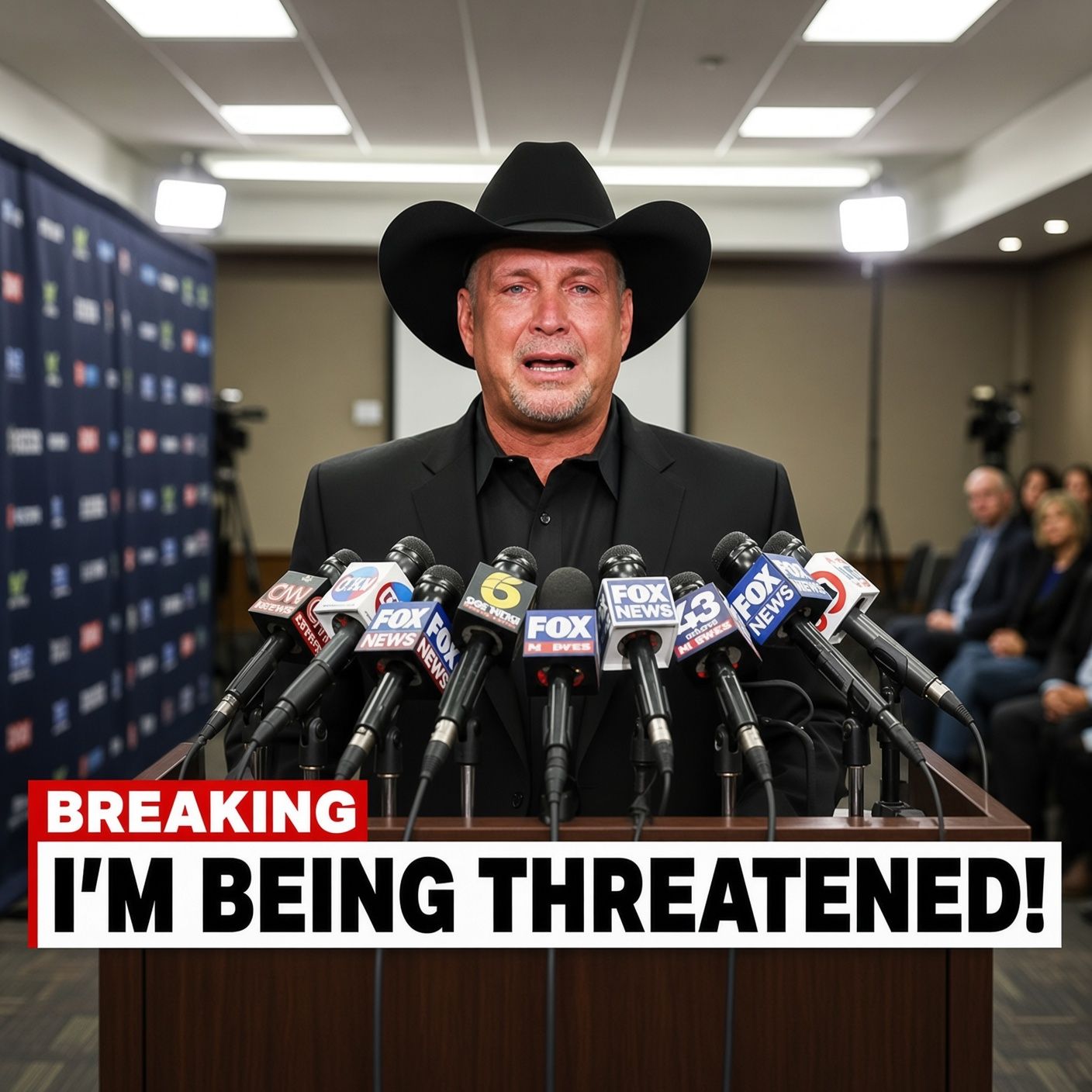
The accuser’s attorneys strongly disputed Brooks’ characterization of events and accused him of trying to silence or intimidate their client.
That created an extraordinary situation:
Two people were telling fundamentally different stories about what happened.
And because the matter involved allegations of sexual assault, the stakes were enormous.
But Was Garth Brooks Actually “Canceled”?
This is where the viral headline goes further than the evidence.
There is a major difference between facing serious allegations and being officially canceled by the entertainment industry.
Reports at the time documented the lawsuit, Brooks’ denial, his counter-lawsuit, and the intense public scrutiny surrounding him.
But the claim that major television programs were secretly canceling him across the board requires specific evidence—and it shouldn’t be presented as established fact without it.
In fact, shortly after the allegations became public, Brooks returned to the stage in Las Vegas. He described the performance as a night he particularly needed. (Los Angeles Times)
So the picture wasn’t as simple as:
“Garth was accused → Hollywood canceled him.”
Reality was considerably more complicated.
The Legal Battle Was—and Is—The Bigger Story
The California case was moved to federal court.
In December 2024, Judge Michael W. Fitzgerald denied Brooks’ motion to dismiss without prejudice and stayed the California action while related proceedings in Mississippi were pending. (Justia Dockets & Filings)
That means the legal dispute itself became a long-running process rather than a quick resolution.
And that’s important when discussing allegations involving a public figure.
A lawsuit is an accusation.
A denial is not proof that an accusation is false.
And an accusation is not proof that the alleged conduct occurred.
The facts ultimately have to be established through evidence and the legal process.
Why the Story Became So Explosive
Garth Brooks had spent decades building an image around songs about friendship, family, generosity, and ordinary American life.
That public image made the allegations especially shocking to fans.
For someone who had become synonymous with songs such as “Friends in Low Places,” suddenly finding himself at the center of a serious legal dispute was an enormous reputational crisis.
But celebrity reputation and legal reality are two different things.
Fans can change their opinions.
Media outlets can debate the allegations.
People can decide whether they want to continue listening to an artist.
None of those reactions determines what actually happened.
The “Dark Truth” Needs to Be Handled Carefully
There is a temptation with stories like this to promise viewers that a hidden secret has finally been uncovered.
But there isn’t a verified basis for claiming that we know some secret explanation behind everything.
What we know is already serious:
- A former employee accused Brooks of sexual misconduct, including rape.
- Brooks denied the allegations.
- Brooks filed his own lawsuit alleging extortion and other claims.
- Both sides disputed the other’s version of events.
- The litigation generated substantial public attention.
- The legal proceedings became complicated by disputes over pseudonyms and jurisdiction. (Reuters)
That’s the documented story.
Everything beyond that needs to be clearly identified as allegation, interpretation, or speculation.
What Happens to Garth’s Legacy?
That may ultimately be the most difficult question.
Garth Brooks spent decades building a legacy that seemed almost impossible to damage.
Now his name is permanently associated with a highly publicized legal controversy.
Even if the legal dispute eventually ends, the public conversation may continue for years.
Some fans will continue supporting him.
Others may distance themselves from his music.
Some will wait for more evidence before reaching a conclusion.
And that’s understandable.
The most responsible approach is not to declare someone guilty or innocent based on a headline.
It’s to recognize the seriousness of the allegations while remembering that they remain allegations unless established through the legal process.
The Real Reason Garth Brooks Is Under Fire
So, is Garth Brooks being “canceled”?
The evidence supports a more precise answer:
He has faced significant public scrutiny and reputational damage following serious allegations and an ongoing legal battle—but the claim that the entertainment industry simply canceled him is an oversimplification.
The controversy isn’t really about one television appearance or one canceled performance.
It’s about a legal dispute that placed one of country music’s biggest stars under an extraordinary level of scrutiny.
And until the underlying legal questions are resolved, the most important thing is to distinguish what was alleged, what Brooks denied, and what has actually been proven.
That’s the part of the story viral headlines often leave out.
And in a case this serious, that distinction matters.