The story behind ABBA’s “The Winner Takes It All” is often painted by pop culture as a dark tale of emotional cruelty. To the casual observer, it looks like a vindictive move: a husband writes a devastatingly precise song about his failed marriage, hands it to his ex-wife, and commands her to sing it to the world.
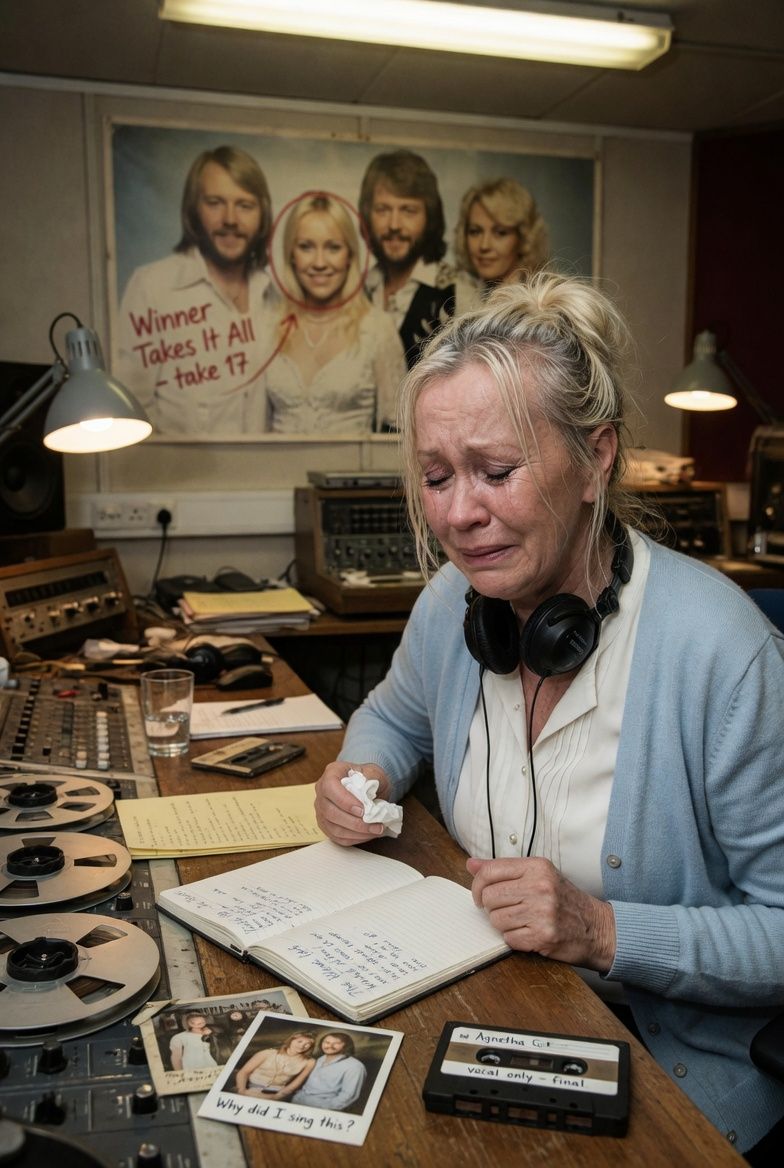
But the real story inside the Polar Music Studios in the summer of 1980 is far more complex, beautifully human, and deeply artistic. It wasn’t an act of psychological warfare; it was a moment of profound, painful artistic trust.
The Drunken Hour of Heartbreak
In the summer of 1979, Björn Ulvaeus and Benny Andersson were at a cottage on the island of Viggsö, trying to patch together a new melody. Benny came up with a French chanson-style descending piano line that felt incredibly loose, melancholic, and theatrical.
Björn took a tape of the demo home. Sitting alone with a bottle of whiskey, the dam broke. The absolute agony of his recent divorce from Agnetha Fältskog—the mother of his children, the woman he had loved for a decade—poured out of him.
“I was drunk, and the whole lyric came to me in a rush of emotion in one hour,” Björn later recalled. He wrote lyrics about watching a former lover move on, about building a new house, and the cold, unyielding reality that in a breakup, one person always seems to walk away with everything: “The winner takes it all, the loser has to fall.”
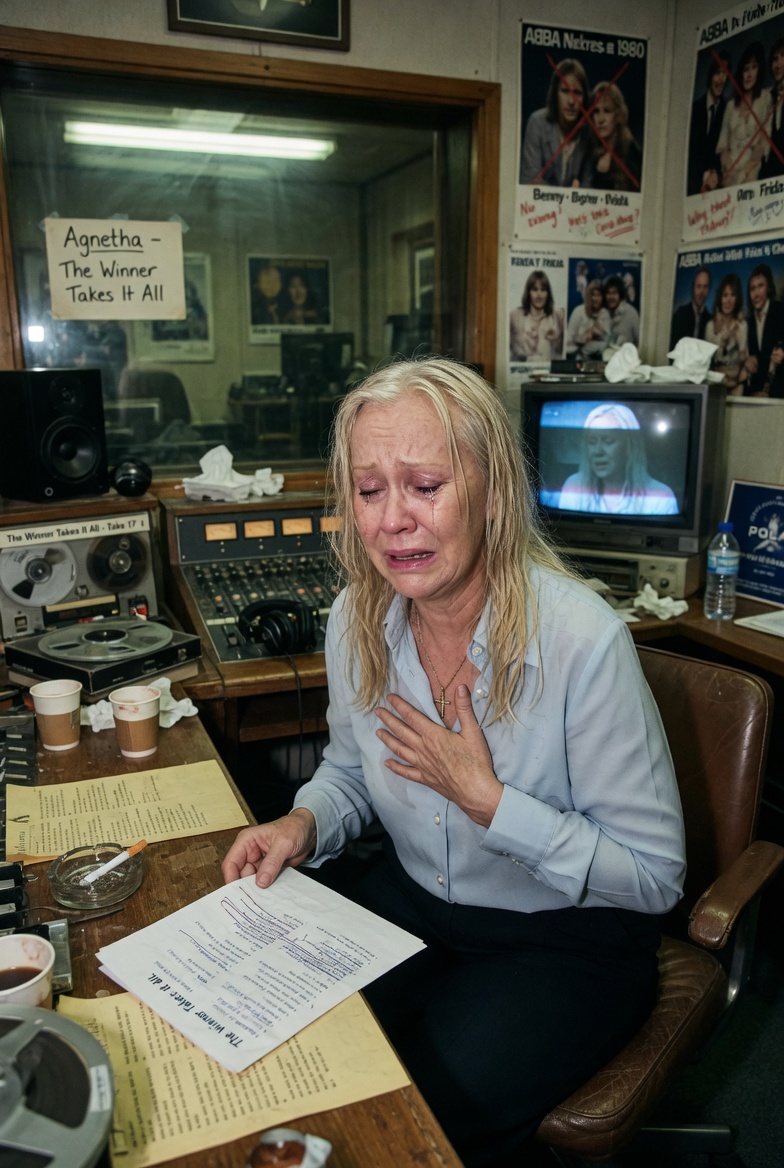
The Reality of the Studio: “A Tear or Two”
When Björn brought the lyrics to the studio, he didn’t force them onto Agnetha maliciously. In fact, he was incredibly nervous to show them to her.
When Agnetha read the words, tears immediately welled up in her eyes. The lyrics hit incredibly close to home. But despite the myth that she was forced into singing it as a form of punishment, the reality was entirely the opposite: Agnetha desperately wanted to sing it.
As a consummate professional and a brilliant artist, Agnetha recognized the song’s genius instantly. She knew that her own raw, lived-in heartache was exactly what the melody needed to transform from a simple pop song into a masterpiece.
The “Ruthless” Reason Behind the Decision
If Björn didn’t do it out of cruelty, why did he give this specific song to his ex-wife instead of ABBA’s other powerhouse vocalist, Anni-Frid (Frid) Lyngstad?
The reason wasn’t personal malice; it was unforgiving artistic perfectionism.
Björn and Benny always assigned lead vocals based purely on whose vocal timbre best suited the emotional landscape of a track. Frida possessed a warm, rich, jazzy mezzo-soprano voice. Agnetha, however, possessed a high, crystalline soprano that naturally carried a haunting, melancholic edge. Agnetha could “belt” her high notes in a way that sounded like a desperate, pleading cry.
Björn knew that only Agnetha could deliver the gut-wrenching, theatrical vulnerability required for the climax of the song. He prioritized the greatness of the art over the comfort of their personal boundaries—and Agnetha fully agreed.
“It Was Like Acting”
While it was undeniably painful, Agnetha has spent decades correcting the narrative that she was a victim of psychological torture during the recording sessions.
“Björn wrote it about us after our divorce,” Agnetha later reflected. “The fact that it was written exactly when we divorced is very touching. I didn’t mind sharing it with the public. It didn’t feel wrong. It was fantastic to do that song because I could put such feeling into it… It didn’t feel painful because I used my own feelings, but it was also like acting. You shouldn’t take it literally.”
Björn has also maintained that while the feeling of divorce inspired the track, the specific lyrics were fictionalized: “Neither Agnetha nor I were winners in our divorce. There wasn’t a winner or a loser in our case.”
The Ultimate Vindication
The emotional gamble paid off. When Agnetha stood in front of the microphone, she delivered what is widely considered the greatest vocal performance of her career. She took Björn’s words and turned them into a towering skyscraper of grief.
When the recording was finished, everyone in the studio knew they had captured lightning in a bottle. “The Winner Takes It All” went on to top charts worldwide and remains ABBA’s most critically acclaimed ballad.
It stands as a testament to the band’s unique dynamic: they were two divorced couples who managed to transmute their private, devastating heartbreaks into timeless, beautiful art for the rest of the world to heal by.