What Elvis Presley’s Private Notes Say About His Final Days
What Elvis Presley’s Private Notes Say About His Final Days
Few entertainers have left a legacy as enduring as Elvis Presley. Nearly five decades after his death on August 16, 1977, fans remain fascinated by every aspect of his life—from his rise to becoming the “King of Rock and Roll” to the circumstances surrounding his final days at Graceland. Among the many topics that continue to spark curiosity are the personal notes, letters, and handwritten reminders Elvis left behind.
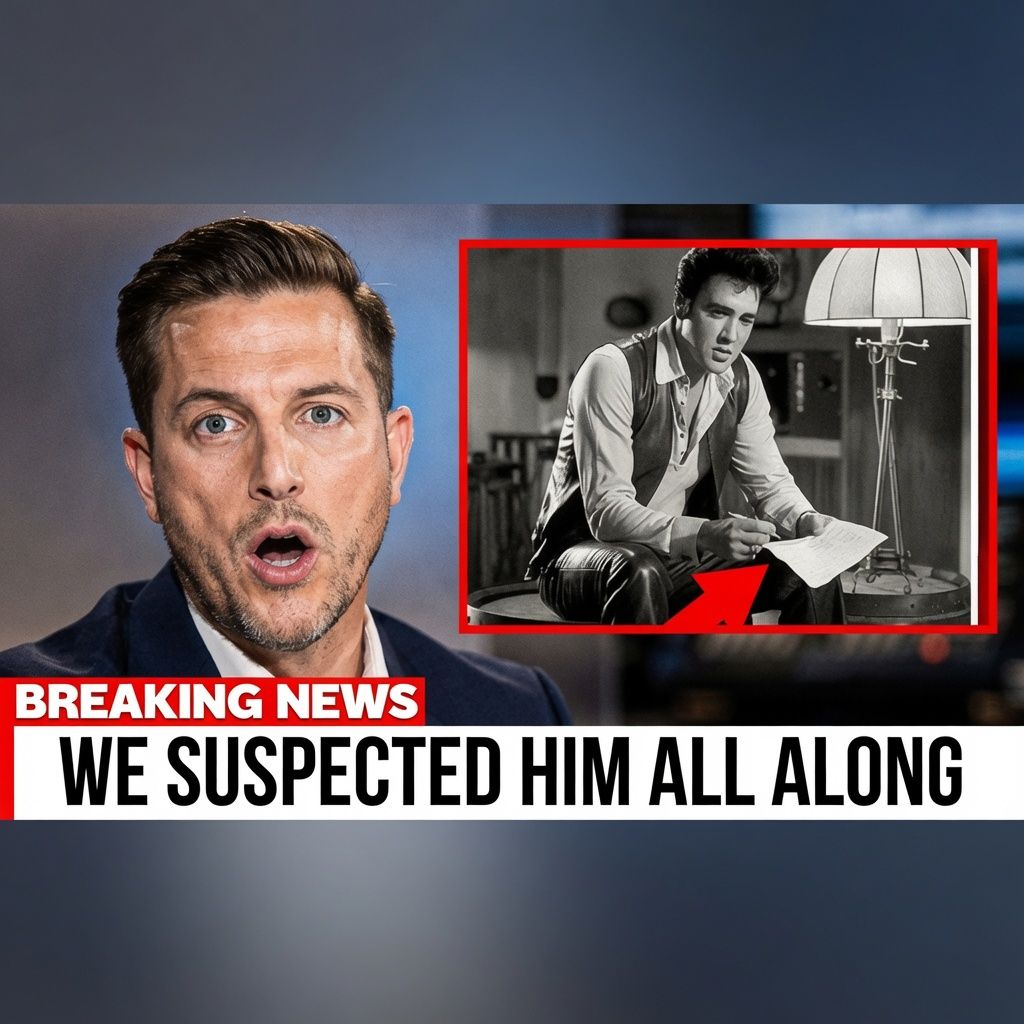
Contrary to many sensational headlines, there is no single collection of “secret final notes” that dramatically changes our understanding of Elvis’s last days. Instead, the handwritten documents that have become public over the years offer small but meaningful glimpses into his daily life, his responsibilities, and the people he cared about.
Many of Elvis’s handwritten notes were remarkably ordinary. They included reminders about appointments, telephone calls, travel plans, financial matters, and ideas related to upcoming performances. Others reflected his interest in reading, spirituality, and self-improvement—subjects that remained important to him throughout his life.
Friends and family have long described Elvis as someone who was deeply spiritual. He frequently read books about religion and philosophy and often discussed faith with those closest to him. Several personal writings and annotations discovered among his belongings support that image, showing a man who continued searching for meaning even while living under extraordinary public pressure.
His notes also reveal his generosity. Elvis was well known for helping friends, employees, and even strangers in need. Written reminders occasionally referenced gifts, charitable acts, or plans to assist people close to him. These details align with countless stories from those who knew him personally, describing his kindness away from the spotlight.
During the final months of his life, Elvis was preparing for another concert tour. Despite ongoing health challenges and the physical demands of constant touring, he continued making plans for future performances. His schedules and personal reminders indicate that he remained professionally engaged and intended to keep entertaining his fans.
At the same time, those closest to Elvis observed that his health had become increasingly fragile. Years of demanding tours, irregular sleep patterns, prescription medication use, and chronic medical conditions had taken a significant toll. While his personal writings do not provide a detailed account of these struggles, they reflect the routine of a performer attempting to balance an exhausting career with everyday responsibilities.
Following Elvis’s death, many rumors and conspiracy theories emerged, with some claiming that hidden letters or secret notes proved he had anticipated his death or even planned to disappear. However, historians and biographers have found no credible evidence supporting those claims. The documents that have been authenticated portray a far more human story—one of an artist managing the ordinary concerns of life while carrying the extraordinary weight of worldwide fame.
Perhaps the most revealing aspect of Elvis’s surviving writings is how normal they often seem. Behind the legendary image was a man making lists, organizing his schedule, thinking about family and friends, and continuing to pursue his passions. His handwritten reminders offer a rare glimpse of the private individual behind one of the most famous entertainers in history.
Today, Elvis’s personal papers continue to be preserved and studied by historians, collectors, and fans. Rather than exposing shocking secrets, they help paint a fuller picture of a complex individual whose life extended far beyond the stage.
In the end, Elvis Presley’s private notes do not reveal a hidden mystery about his final days. Instead, they remind us that even global icons live ordinary moments—planning tomorrow, caring for loved ones, and hoping for the future. That quiet humanity may be the most meaningful legacy his handwritten words leave behind.